
I was at a conference recently and lost count of how many times I heard the phrase "research says." It's become a kind of full stop. Research says, so that's settled, let's move on.
In one of the workshops, someone mentioned learning styles. Something about how an activity would suit "your visual learners." I cringed a little, because that one's been picked apart for years, and there it was anyway, presented as fact to a room full of school leaders nodding along.
I'm not telling you this to feel clever about spotting it. I've done the same thing plenty of times. Read something, decided it was right, and gone looking for places to use it. Most of us have.
That's roughly where my conversation on the podcast with Andrew Watson started this week. Andrew has spent fifteen years looking at how cognitive science does and doesn't translate into real classrooms, and he's allergic to the idea that "research says" settles a question. To him it's an invitation to look closer.
Andrew's wariness kicks in most when research hardens into a rule. Or worse, a number. He used the old ten-minute rule as an example, the one claiming people can only concentrate for ten minutes so you should chop lessons into ten-minute chunks. The evidence behind it turned out to be almost embarrassingly thin. But you didn't even need to check, he said. The fact it had a number in it and called itself a rule was enough to walk straight past it.
Leaders get handed rules constantly. Do retrieval practice for the first five minutes of every lesson. Run your one-to-ones to this template. A rule is appealing because it means someone else has done the thinking and you just have to follow it.
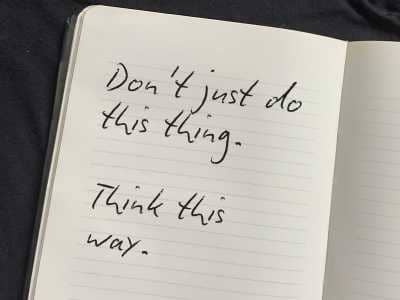
Andrew has a mantra he repeats in the schools he works with. "Don't just do this thing, think this way." He won't walk in with a list of best practices, partly because he doesn't believe they exist. He'd rather help people understand how memory or attention actually works, then trust them to decide what that means for their own kids and their own context. A teacher of young children and a sports coach will do something completely different with the same principle, and to Andrew that's the whole point.
This is the harder path for a leader, no question. I still think it's the right one. The teacher who comes to you buzzing about a study they've just read doesn't need you to be the expert who approves it or kills it. Andrew's suggestion is to send them off to find the three most persuasive studies that back the idea and the three that argue against it, then come back and talk it through. You're not the gatekeeper there. You're handing the thinking back to the person who'll live with the decision in their classroom long after any expert has gone home.
The whole conversation is over at educationleaders.co/podcast/164 if you want it. We also get onto cooking, of all things, and an analogy about chicken, vinegar and lye that I won't spoil.
So here's my question for your weekend. What's the rule in your school that everyone follows but nobody's questioned in a while? Reply and tell me. I read every one.
Shane
PS. This is the work at the heart of the Intensive, getting your judgement back so the basics stop eating your week. If you've been curious about it, have a look here: educationleaders.co/intensive
Listen to the latest episode
Click here to listen to this week's episode of my chart-topping podcast, Education Leaders