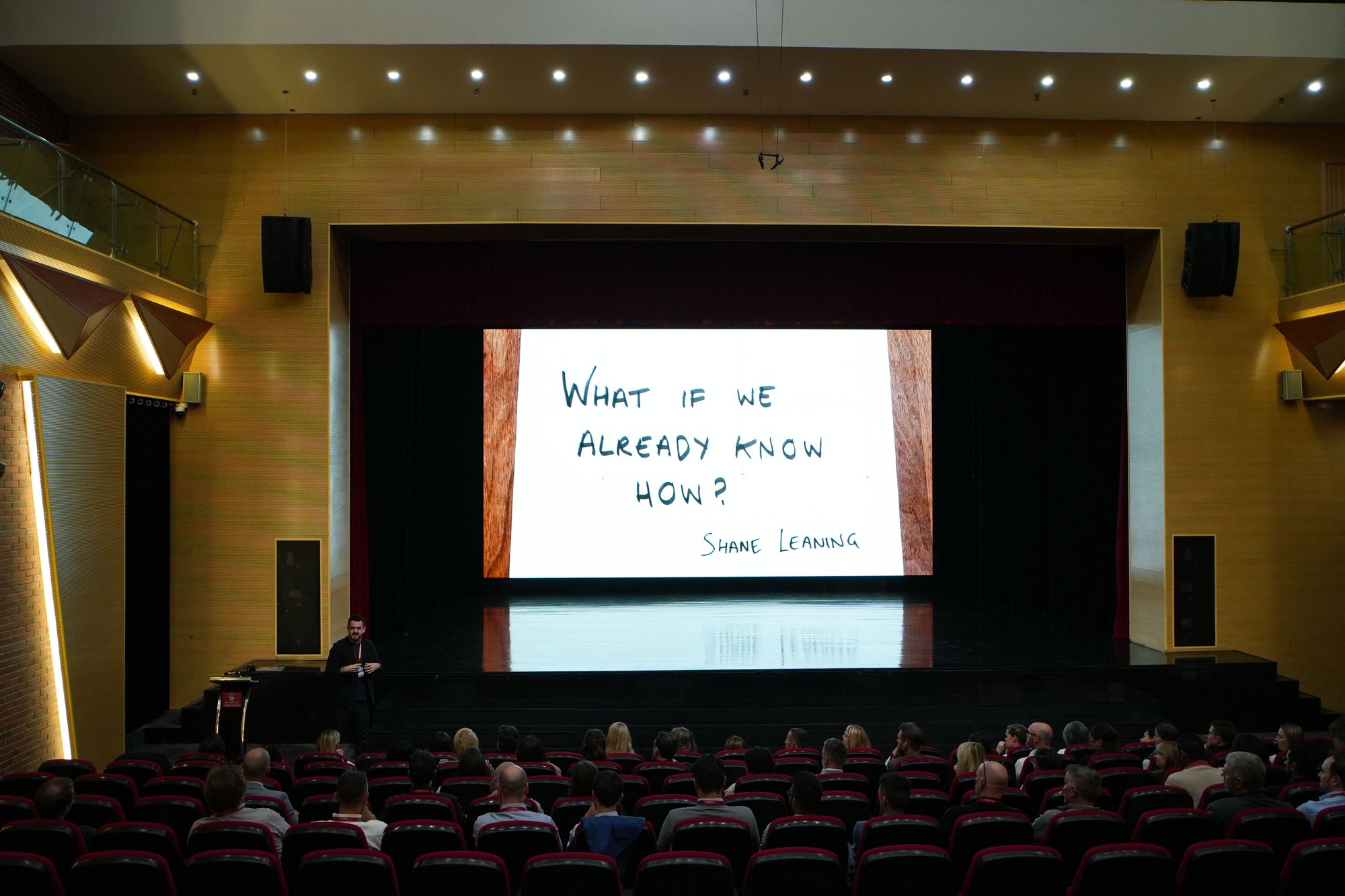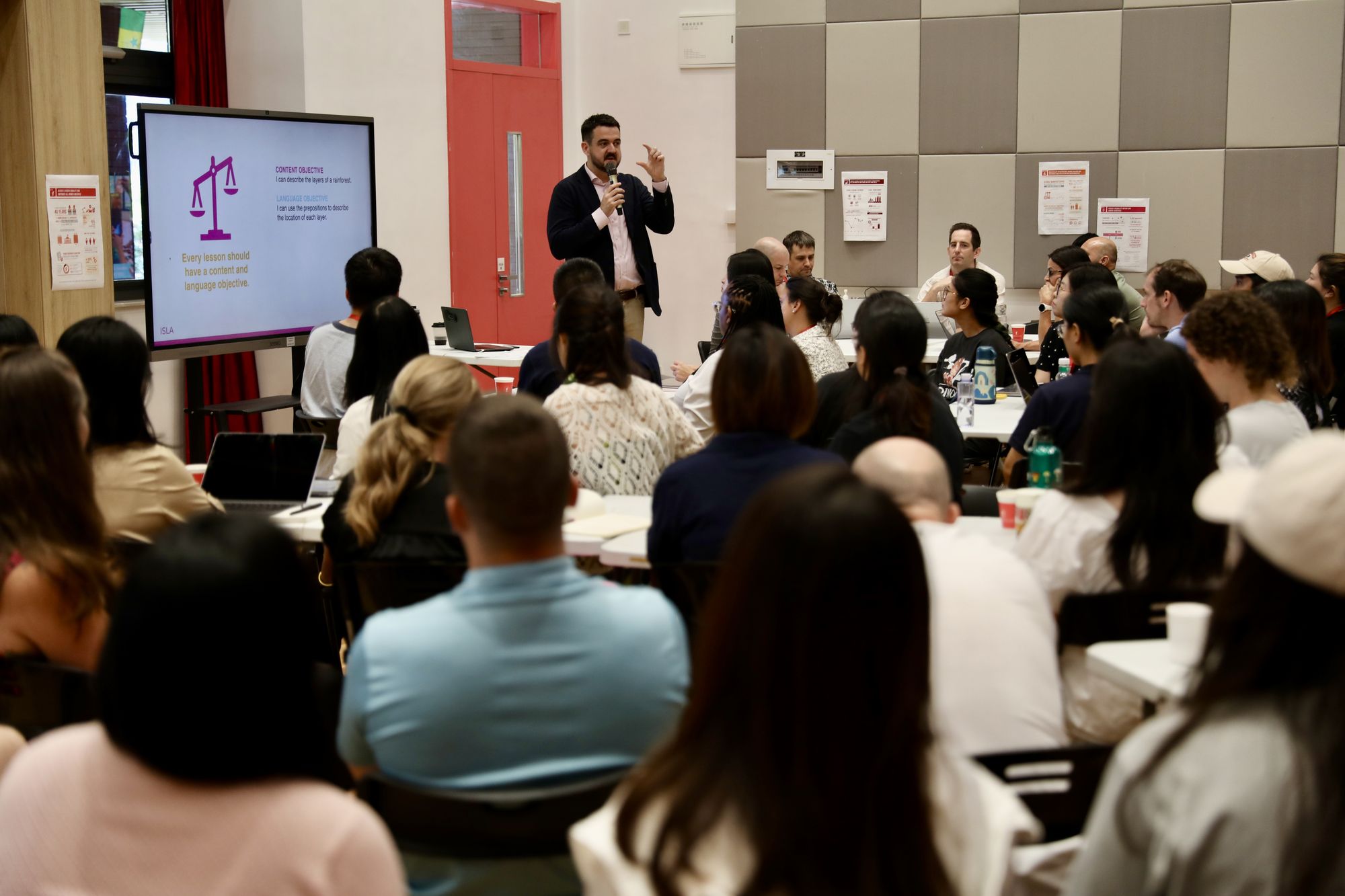
Six practical leadership techniques, one a month through the school year, run inside your own school. We provide a short video and a one-page guide for each lever and train your senior leaders to run the sessions. Your middle leaders script the technique, rehearse it in pairs and try it for real before the next one.
Running this year at


The British School Kathmandu and Brighton College Vietnam, 2026–27.
Most heads of department and year leaders got the job because they were good in the classroom. Nobody showed them how to run a meeting that ends with a decision, give feedback that lands, or hand work over without checking it twice.
A training day helps for about a week. What changes practice is doing the thing, badly at first, with colleagues who are trying it too, and coming back a month later to talk about what happened. That’s the whole design of the programme.
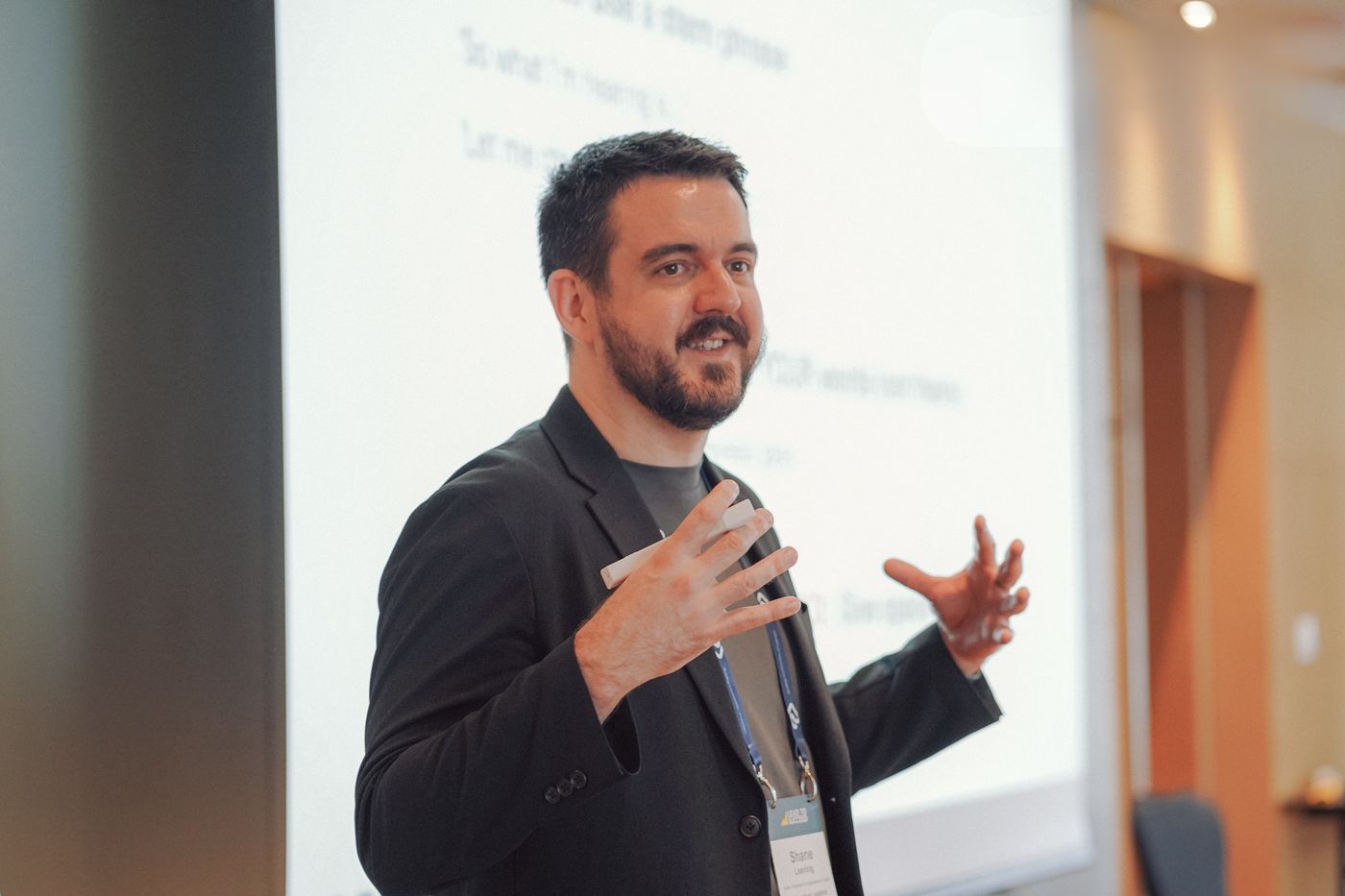
A week before each session, middle leaders get a 15–20 minute video and a one-page guide to the lever, with a worked example. The input stays short on purpose.
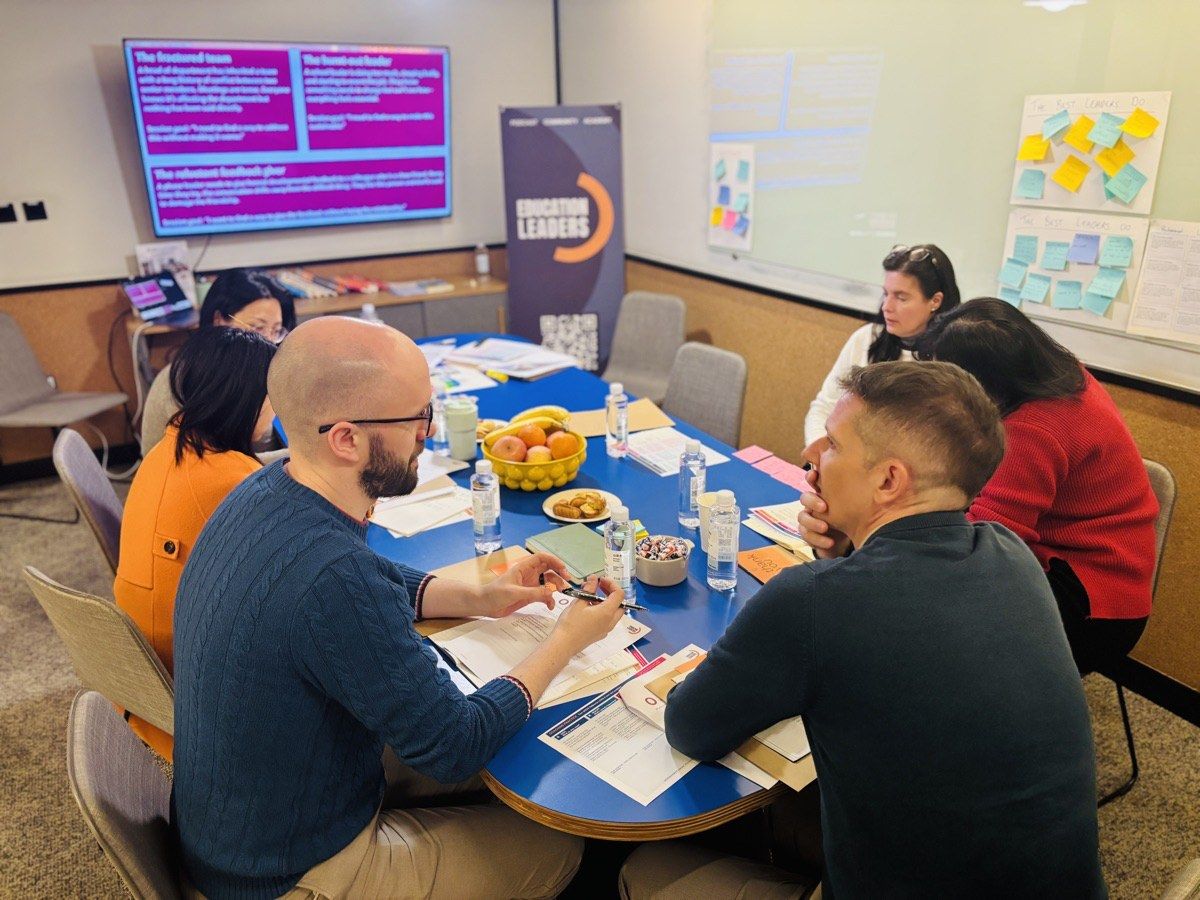
Your leaders run the session: land the idea, script it for a real situation, rehearse in pairs, debrief and commit. Most of the time goes on rehearsal, because that’s where it sticks.
Everyone leaves with an if-then plan for when they’ll use it. Their practice circle holds them to it, and next month starts with what happened.
Each lever is one practical technique a middle leader can use the following week. Your school picks six from the library and we place them around your calendar, so nothing lands in a holiday or a report-writing week.
Three routines, paraphrase, check questions and concrete examples, that close the gap between what you said and what your team heard.
Match each meeting to its purpose, so it ends with decisions and actions rather than another meeting.
Feedback that develops people rather than wounding them, and a way into the conversation you’ve been putting off.
Name the potential you’ve been seeing in your team but haven’t yet said out loud.
Hand work over in a way that builds your team’s capacity instead of creating more checking for you.
A six-step structure, adapted from Paul Bambrick-Santoyo, for coaching a colleague through a lesson or a problem.
A structured conversation about the team’s shared work, so responsibility is owned together rather than carried by one person.
Tell us what your middle leaders need most and we’ll suggest a six and an order. Book a call →
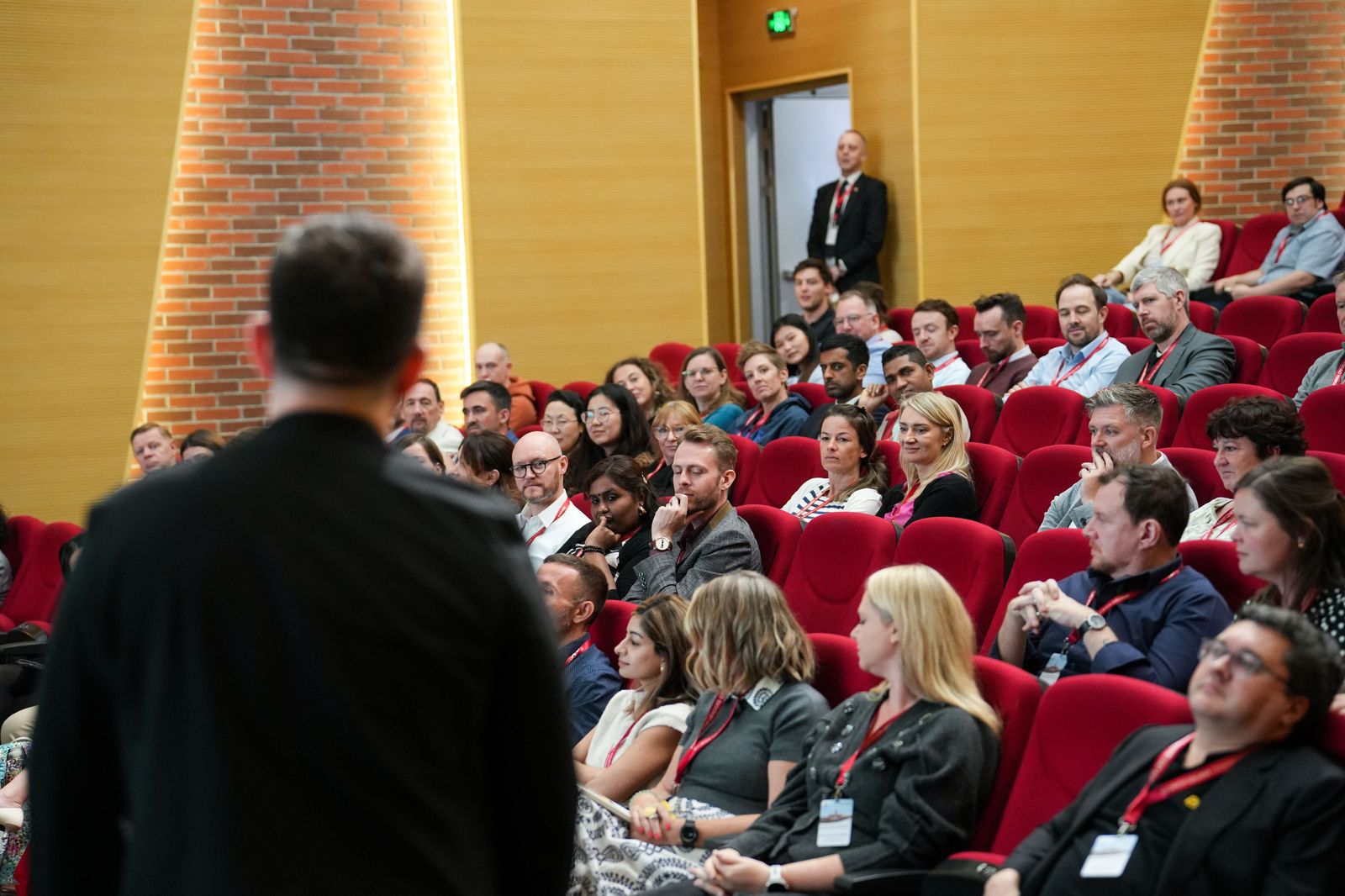
Middle leaders work in fixed circles, deliberately mixed across departments and phases. They rehearse together, hold each other to their commitments and get to know colleagues they’d otherwise only pass in the corridor. Breaking down silos is part of the design, not a side effect.
One or two of your senior leaders facilitate each session. Shane trains them, and they get a session run sheet, a session planner, a year planner and a tracker for circles and commitments. They don’t need a coaching qualification. Their job is to hold the structure and protect the rehearsal time.
Every option includes the full programme for up to 30 middle leaders, and more can join. Each is priced for your school, so book a call and we’ll talk it through.
All three are priced for your school. Book a call for a quote.
The design follows the 14 mechanisms of effective professional development identified in the Education Endowment Foundation’s 2021 review: building knowledge, motivating staff, developing techniques and embedding practice.
How you’ll know it’s working. Middle leaders answer two quick questions in the first session and again in February: how confident they feel with the techniques, and what they’ve actually done. Alongside the commitments log in the tracker, that shows your senior team whether practice is changing. It isn’t a research study, and we don’t pretend it is.
Middle leaders: heads of department, year and phase, and anyone leading a team. The programme is set up for up to 30 people, and more can join.
One session a month of 60 to 90 minutes, a short video beforehand, and one small commitment to try between sessions. Most of the work happens in the job they’re already doing.
One or two of your senior leaders, trained by Shane. They get a run sheet and a planner for every session, so they’re holding a structure rather than designing training.
Yes. You pick six from the library, and we set the release dates around your calendar. Your coaches get each lever two weeks early to prepare, and your middle leaders get it a week before the session.
It’s priced for each school, depending on the option, the number of middle leaders and, for On-site, travel. Book a call and we’ll put a quote together for you.
Yes. It’s built for leaders in schools around the world, and the levers are about the everyday work of leading a team, which looks much the same everywhere.
A 30-minute call to hear what your middle leaders need, which option fits, and how the year would look. No pitch deck.