
Quick one this week, because I’m advertising a job.
We’re looking for a Community & Enrolment Lead. Part time, 1.5 days a week, remote, closing 31 August. It’s all on the careers page, including the salary, the bonus structure and the enrolment numbers the business actually needs to hit.
That last bit is why I’m writing about it here rather than just sticking it on LinkedIn.
I’ve applied for jobs where the salary didn’t come up until the second interview. I’ve sat in inductions where a target got mentioned in week three like everyone already knew about it. It’s normal and I think it’s rubbish. The employer has all the information. Pay, targets, what happens if it goes badly. The candidate is supposed to decide about the next two years of their life based on a paragraph about a fast paced environment.
So the JD has the lot in it. Salary. The bonus maths, so you can work out what a decent year looks like next to a thin one. The minimum enrolment the company needs to stay viable. And a section on what happens if we don’t get there, which sets out what I have to demonstrate as well as what they do.
Candidates also get the interview questions sent to them in advance. I’d rather see how someone thinks than how they cope with an ambush.
I’m not claiming any of this makes me a brilliant employer. Plenty of things about working for a small company are harder than working for a big one, and I’ve been honest about those too. It just means nobody applies blind.
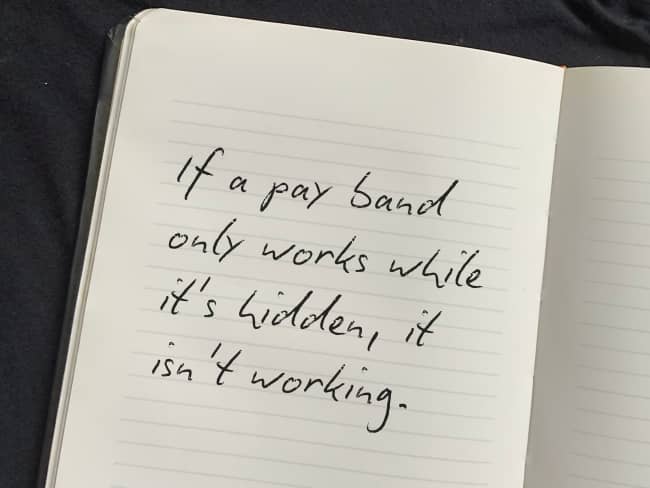
If you’re reading this thinking your school couldn’t publish that stuff, I’d push back a bit. Most reasons for holding it back are really reasons for keeping the power on one side of the table. If a pay band only works while it’s hidden, it isn’t working.
Two asks then. If someone came to mind while you were reading, forward this on. And if you think I’ve got it wrong, hit reply and tell me. I’m interested in the counterargument.
Shane
Listen to the latest episode
Click here to listen to this week's episode of my chart-topping podcast, Education Leaders